Exploring the Three Kumano Shrines in Natori
Natori's Kumano Sansha shrines recreate the sacred landscape of Kumano in Wakayama Prefecture—envisioning Sendai Bay as the Kumano Sea, the Natori River as the Kumano River, and the Takadate hills as the Kumano mountain range. This natural setting has long been revered as a spiritual center. Uniquely, Natori is the only place in Japan where all three Kumano shrines—Hongū, Hayatama, and Nachi—were separately enshrined as distinct sanctuaries. Explore this historic pilgrimage route while enjoying the area's natural beauty and local flavors.
Travel Time: About 3 hours and 30 minutes
Leaving Sendai Airport
From Sendai Airport, make your way to the Takadate district of Natori City to begin exploring the heart of Kumano culture in Tohoku.

Kumano Nachi Shrine
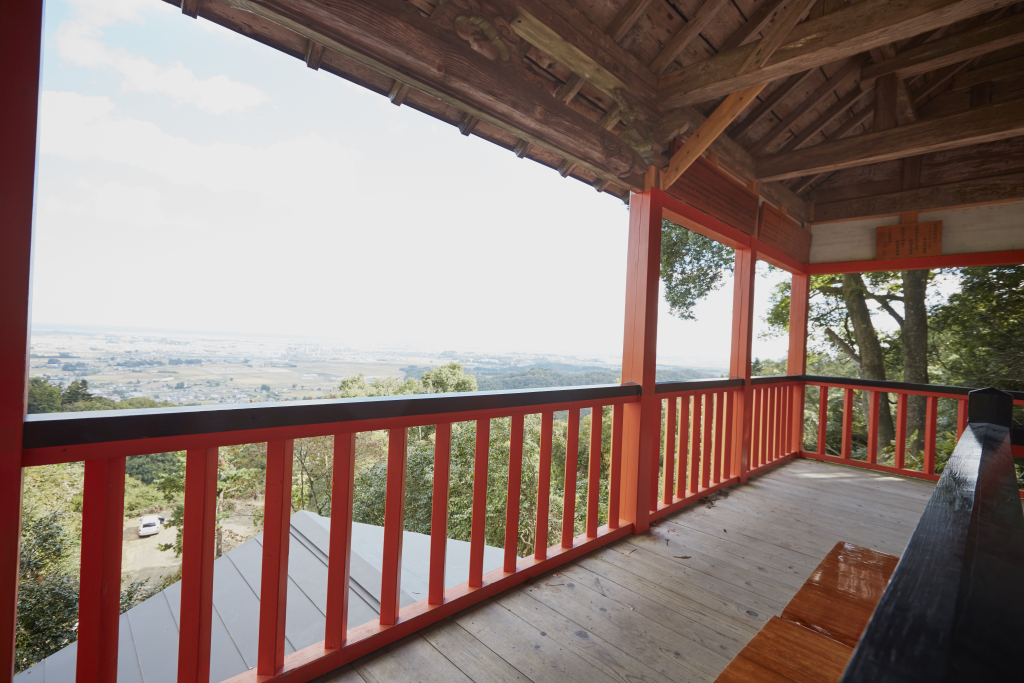
From Kumano Nachi Shrine's observation deck, enjoy sweeping views across the Natori Plain, Yuriage, and the Pacific Ocean. The shrine is known for blessings in romantic relationships—look for the massive cedar tree where two trunks merge into one, embodying the concept of union. Cat-themed “neko omikuji” fortunes and adorable omamori charms make perfect souvenirs.
Kumano Nachi Shrine
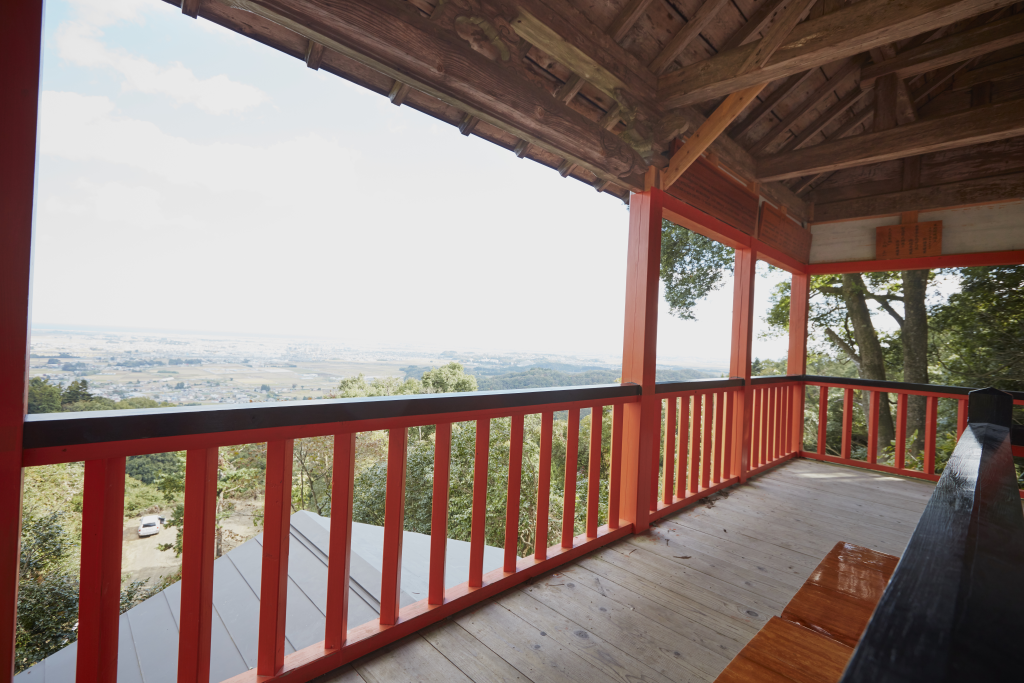
Enjoy views of Natori City and the Pacific Ocean.
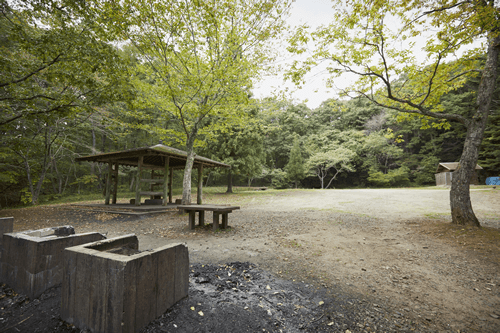
There is a “Rest Area” featuring walking trails where you can enjoy nature, a gazebo, and restrooms.
Kumano Shrine
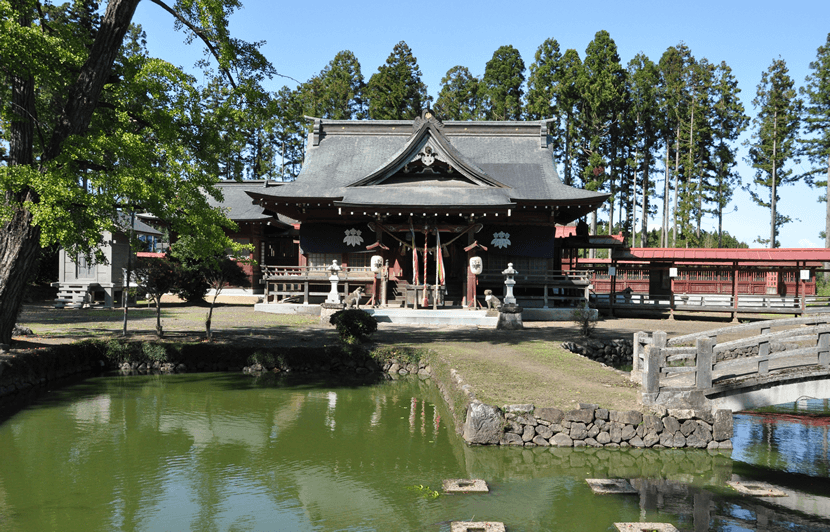
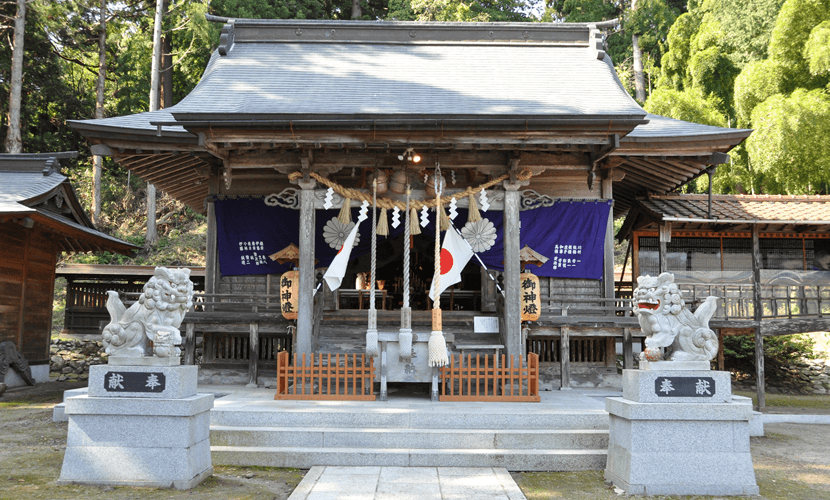
The shrine is associated with blessings for academic success and travel safety. Traditional Kumano-do Kagura and Bugaku dances, recognized as Miyagi Prefecture Intangible Folk Cultural Properties, are performed at seasonal festivals in spring and autumn.
Kumano Shrine
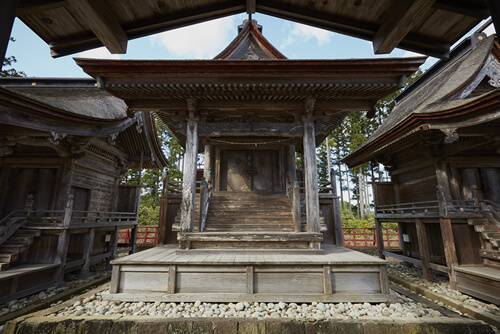
The main hall of Kumano Shrine is designated as a prefectural tangible cultural property for its significance as a valuable example of the architectural style known as “Kumano-zukuri.”
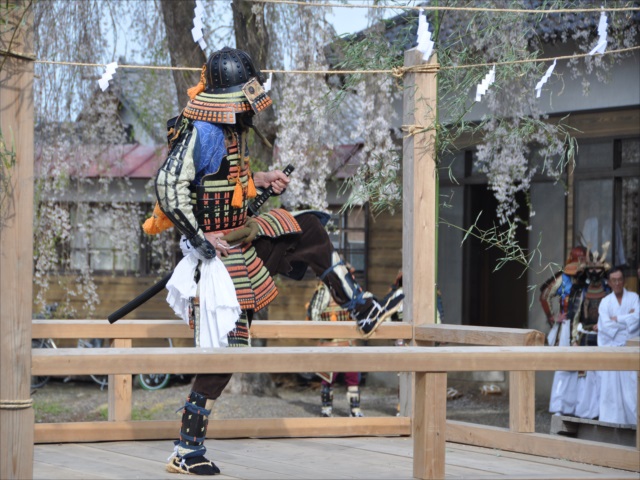
Kumano-do Bugaku is one of the few forms of bugaku still practiced in the prefecture.
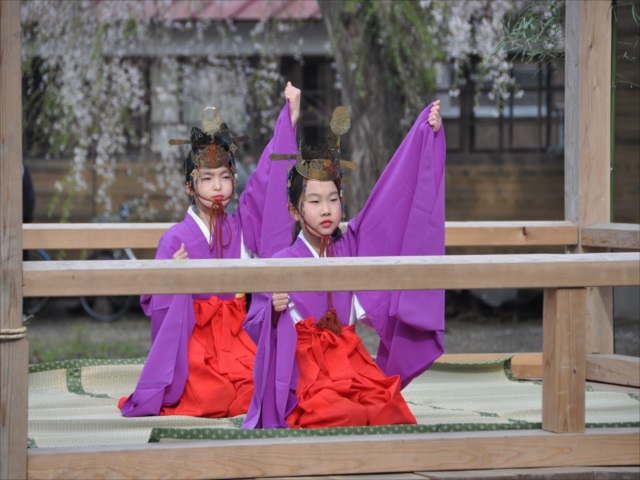
Kumano-do Bugaku
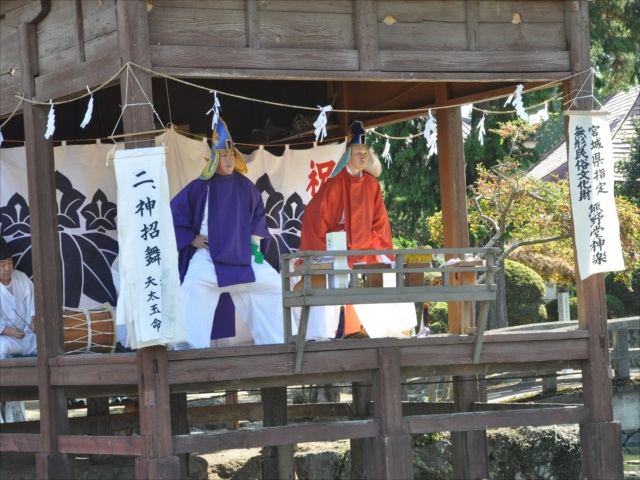
Kumano-do Kagura
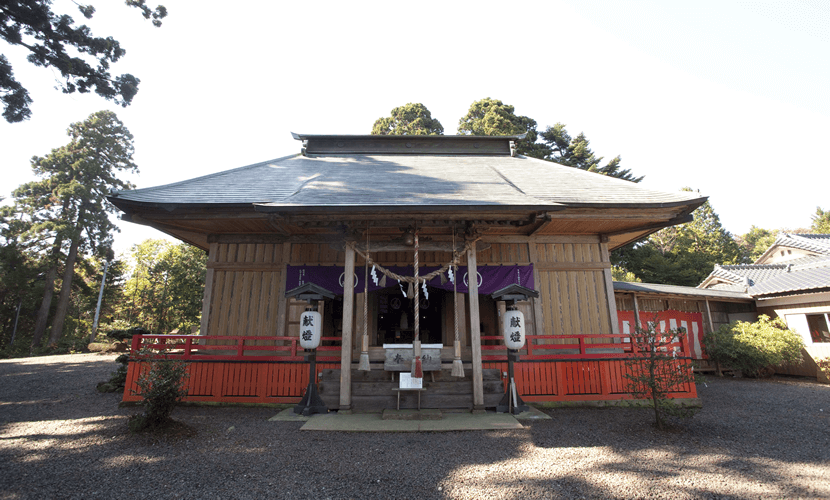
Kumano Hongu Shrine
The shrine honors agricultural deities and is known for blessings related to protection, good health, and safe childbirth. The Kumano-do Twelve-Deer Dance, introduced to the area about 500 years ago by mountain ascetics, is designated as a Natori City Intangible Folk Cultural Property and is performed today as a prayer for a bountiful harvest.
Kumano Hongu Shrine
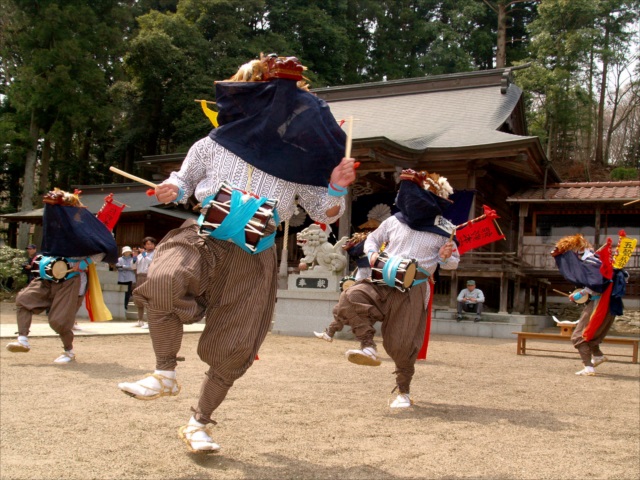
The Kumano-do Twelve Divine Deer Dance is performed during the Spring Festival (held every April) and the Autumn Festival (held every October).
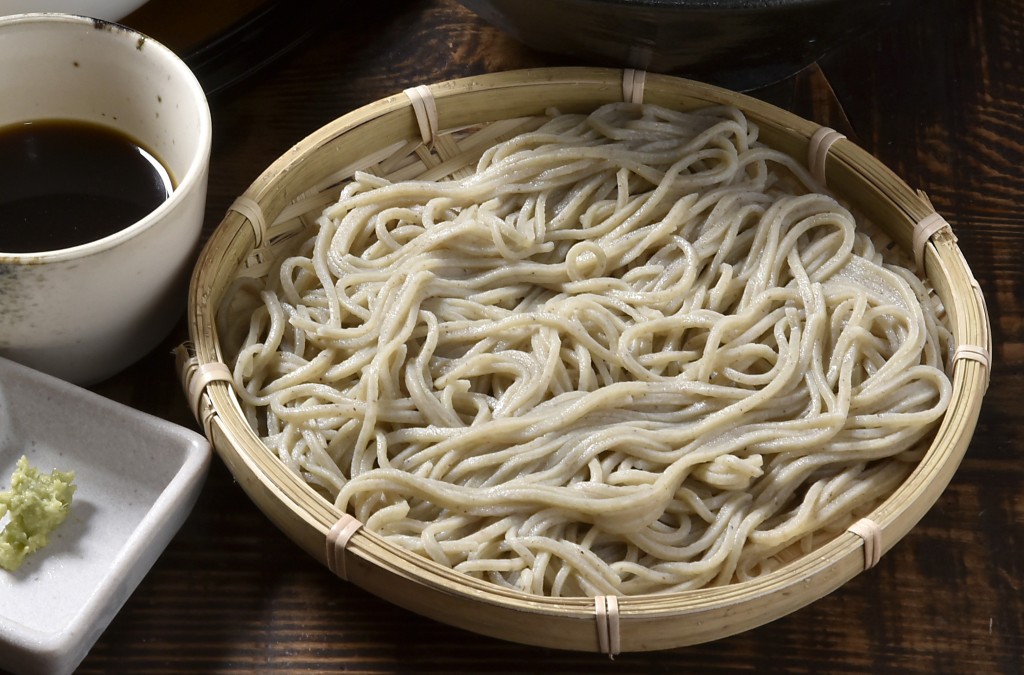
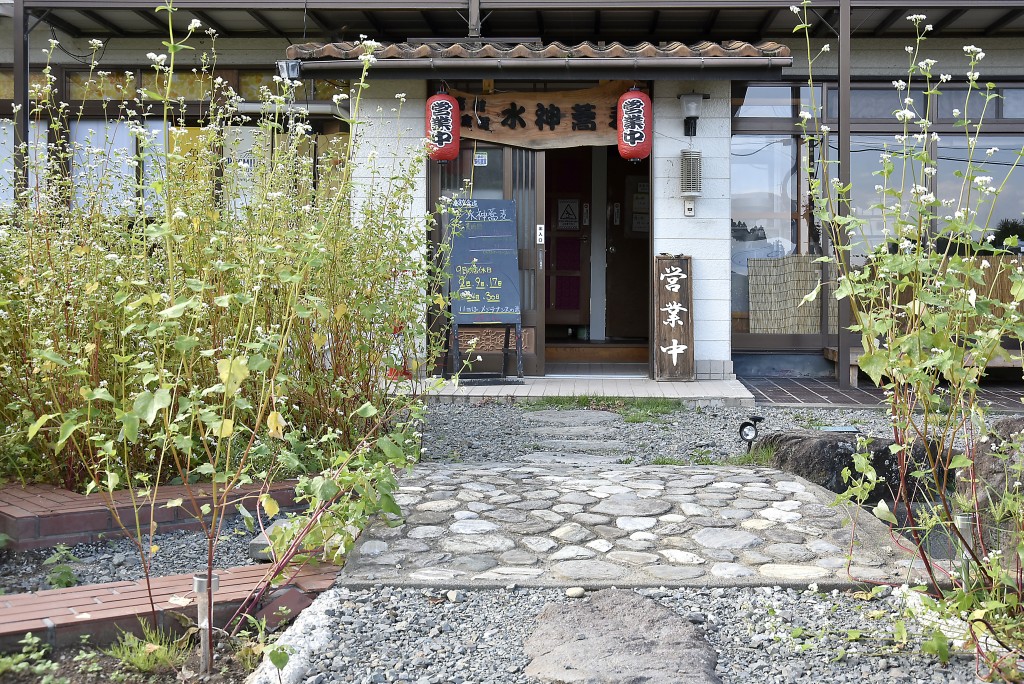
Takadate Restaurant Suijin Soba
Suijin Soba carries on local culinary traditions, offering carefully prepared dishes with an emphasis on Japanese aesthetics and quality ingredients. Their soba, udon, and rice bowls are all excellent choices.
Arriving at Sendai Airport
This local drive takes you to the three Kumano shrines, which have strong connections to the Date clan of the Sendai Domain, offering insight into the region’s history and culture. The route takes around three and a half hours by car, and a rental car is recommended.